Promotion without a purpose: a wasted opportunity

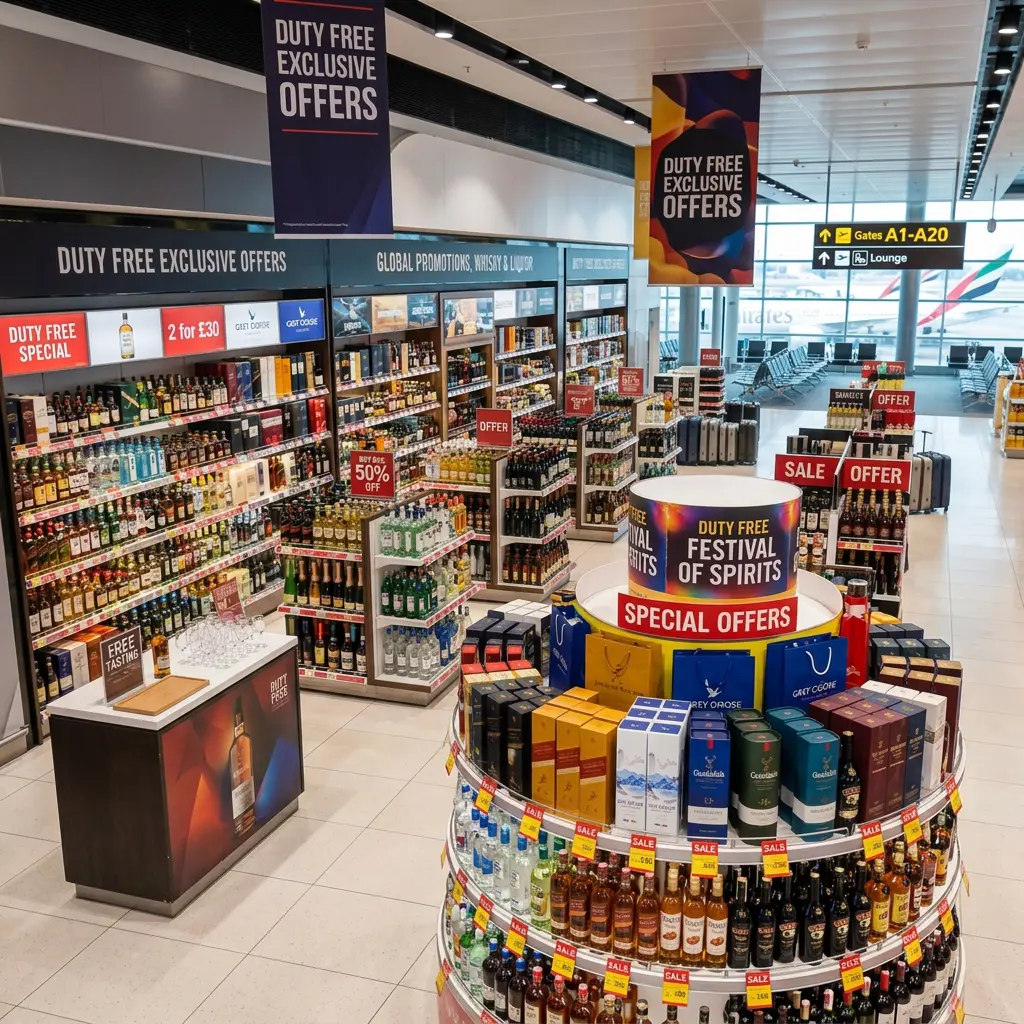
Used strategically, promotions are a powerful tool for driving shopper conversion and profits. Travel retail’s current use of promotions lacks purpose — a wasted commercial opportunity.
What promotions are for
Promotions should be tactically deployed to recruit shoppers and convert non-buyers — this is the most impactful growth opportunity which promotions can encourage.
Travel retail promotions should be designed and employed with this purpose in mind. Promotions with clear objectives bring success — they attract new buyers, improve conversion, encourage trade-up and the purchase of more units.
When promotion becomes the assortment
Promotions should be intentional — they should spotlight a few products to generate more attention.
Fewer, selective promotions generate excitement. They make promotions an event which cannot be missed out on. This converts — the promotion stands out and attracts new buyers.
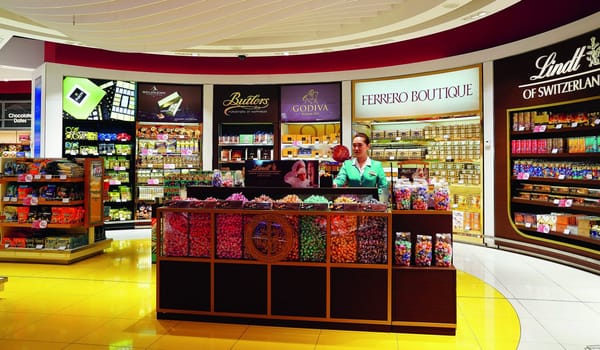
Across travel retail’s alcohol and confectionery categories, promotions have started to define assortments instead of enhancing them. Shelftrak found that within several stores, 50-80% of total SKUs were on promotion at any given time.
For instance, within CJU Alcohol, 76.8% of SKUs are promoted, whilst ICN T2 Alcohol sits at 70.3%. Even within confectionery, where promotion is traditionally seasonal and tied to specific windows, Shelftrak has found that huge proportions of SKUs are on discount all the time — 71.1% of CJU Confectionery is on promotion.
A new pattern is emerging — promotions are no longer being deployed as tactical decisions, they are becoming structural.
Promotional reliance results in them becoming a default expectation — if most products are discounted most of the time, “full price” value erodes. This trains travellers to wait for and expect a lower price. Over time, this is harmful as retailers then become dependent on promotion to sustain conversion as removing them suppresses growth, as “full price” now reads as expensive.
This is a wasted commercial opportunity — spend that should convert non-buyers is instead just protecting sales that would have happened anyway.
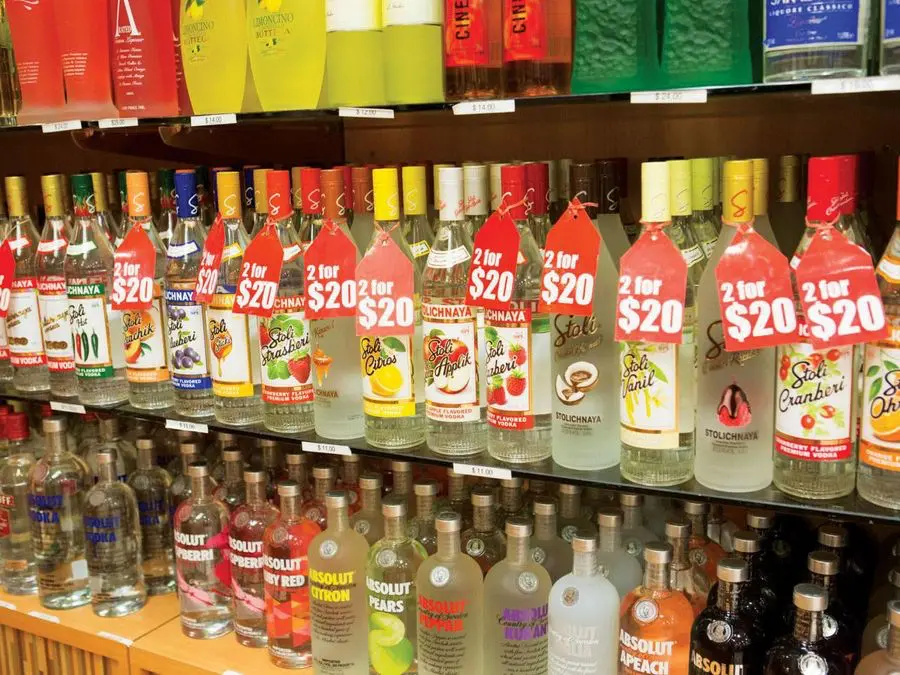
Promotion is winning the shelf — is it winning the sale?
This over-promotion doesn’t just affect price perception — it reshapes the shelf itself: promotion drives conversion, promotion gets rewarded with space, space starves everything that isn't promotional, and next period's assortment further favours deals.
Within travel retail, promotional SKUs are physically dominating shelf and gondola space.
In many stores, the share of space allocated to promotional SKUs mirrors – or exceeds – their share of the assortment. Within CJU Alcohol, 73.8% of space is promotional. ICN T1 Alcohol also sits at 70.6%, and DOH Confectionery at 58.0%.
Some stores are even over-indexing promotional visibility relative to promotional assortment. Delhi T3 Airport is a clear example — only 41.6% of SKUs are promoted, yet those SKUs occupy 68.3% of total space. Promotional products are being handed a disproportionately large share of the shopper's field of vision relative to their actual share of the range.
The real test is whether promoted SKUs taking 68.3% of space at Delhi T3 are generating a proportionate share of sales. If they aren't, that space is being handed to promotion at the direct expense of full-price and non-promoted products that might convert just as well, or better, without eroding margin. This is where the commercial opportunity hides.
Measuring what matters
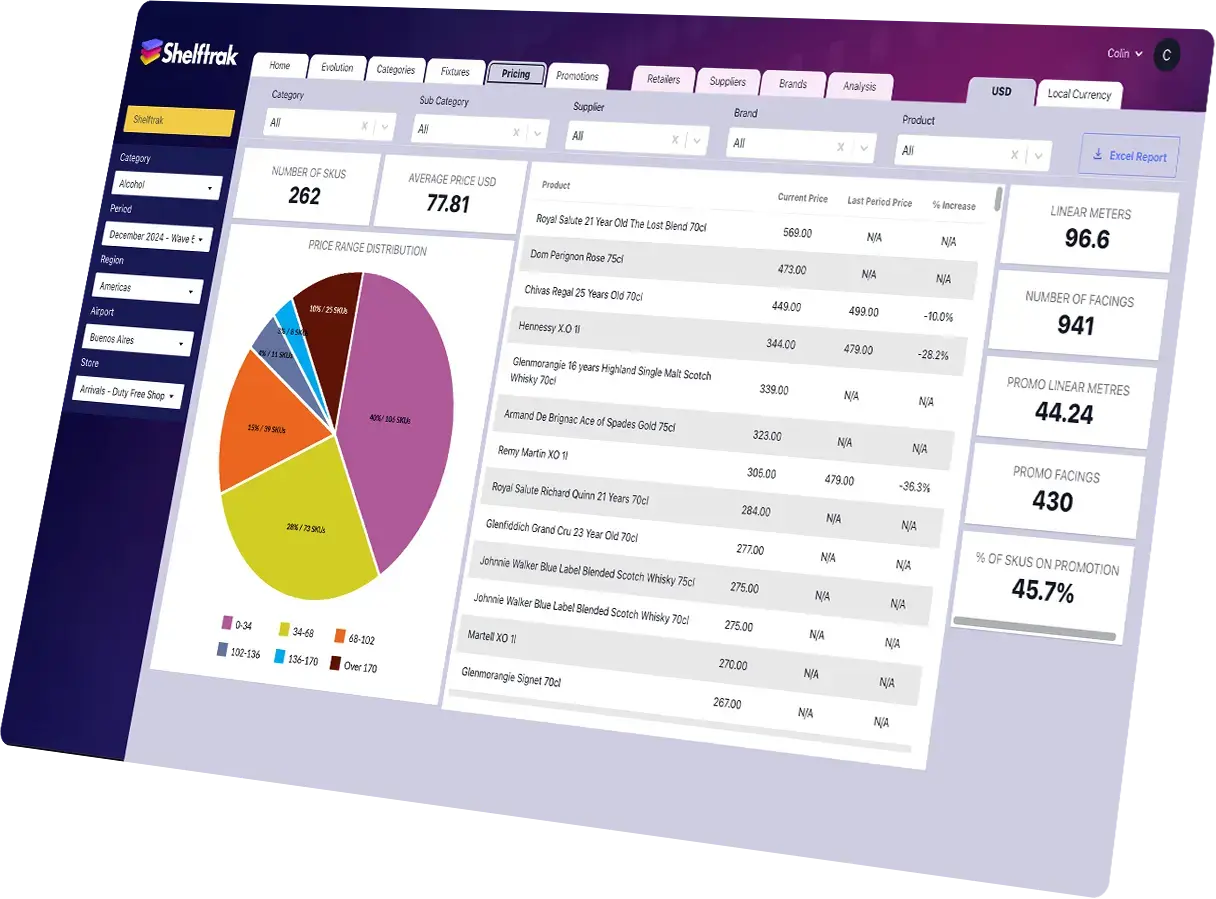
This is precisely the gap Shelftrak is built to close. It identifies where commercial value is being lost to underperforming promotions and quantifies the scale of wasted discount investment. Most importantly it points to how that same investment could be redeployed into activity that genuinely drives conversion.
What good promotion looks like
Effective promotions are intentional and clear. Less is more — a promotion should register as an offer too good to miss, not blend into the background as business as usual.
A handful of well-chosen SKUs will always outperform a shelf where everything is discounted and nothing stands out. Reducing the noise and resisting the urge to promote broadly is what makes a promotion convert.
Travel retail shoppers are time-poor, so promotions need to be understood immediately — otherwise shoppers fail to notice, and conversion is lost before it starts. Clear mechanics remove this barrier and let shoppers act on impulse rather than walk past.
The promotion should be unmistakable at the point of sale, rather than competing for attention with dozens of other markdowns doing the same thing. Strong visibility protects promotional investment by converting allocated space into actual attention, and attention into a sale.
The fix: give every promotion a job
The fix doesn't require a different promotional strategy so much as a disciplined one.
Every promotion should be assigned a clear objective — recruiting a new buyer, driving trade-up, clearing aged stock — a target return against that objective, and a defined way of measuring whether it was achieved.
Do this, and promotion stops being a wasted opportunity. It becomes the powerful tool it was always meant to be.